Exchange ETH to BTC
Use this ETH to BTC exchange route to send Ethereum and receive Bitcoin in one order. Enter the ETH amount, review the estimated BTC amount, and submit a valid BTC receiving address for delivery. The widget shows the expected Bitcoin amount before payment, but the displayed quote may remain estimated unless the selected quote type is locked for that exchange order.
Because this conversion moves value from Ethereum to Bitcoin, check the selected deposit network shown in the transaction details before sending ETH. You should also confirm that your receiving wallet supports BTC and that the Bitcoin address is entered correctly. Sending ETH on the wrong network or providing an incorrect BTC payout address can lead to delay, failed processing, or loss risk.
Send Ethereum, receive Bitcoin
An ETH to BTC swap is a cross-chain asset exchange. You do not send ETH directly into a Bitcoin network transaction. Instead, you create an exchange order, send Ethereum using the provided deposit instructions, and receive Bitcoin at the destination address you entered.
This matters because the Ethereum deposit details and Bitcoin receipt details belong to different blockchain assets. The flow should not be treated like a direct same-network transfer from one wallet format to another. If you need the opposite direction, the separate btc to eth exchange page covers that pair.
Sending ETH as if it were a BTC transfer, or mixing up network and address formats, can cause delay, failed processing, or loss risk. Always follow the exact instructions shown for the ETH to BTC order you opened.

How the ETH to BTC quote works
The ETH to BTC converter estimate gives you a preview of how much Bitcoin you may receive for the Ethereum amount you enter. This helps when comparing the pair before payment, but the displayed amount is not always the final BTC result.
If the order uses a floating rate, the outcome can change with market movement and route liquidity during execution. If a fixed rate is available and locked for the order, the quote terms are clearer for that exchange window. Quote validity can also matter, because the shown conditions may apply only for a limited time before the order is funded.
In all cases, the final BTC amount depends on the ETH amount actually received, the selected quote type, and route conditions at processing time. The converter is useful for planning, while the completed BTC delivery reflects the real execution conditions of the exchange.
ETH to BTC converter examples
The table below shows example ETH amounts converted into estimated BTC outputs for this exact pair. These values are dynamic estimates for ETH to BTC conversion and help you compare smaller and larger order sizes before creating an exchange.
| ETH Amount | BTC Value | USD Value |
|---|---|---|
| 0.050000 ETH | 0.001609 BTC | $131.15 |
| 0.100000 ETH | 0.003219 BTC | $262.30 |
| 0.200000 ETH | 0.006438 BTC | $524.61 |
| 0.500000 ETH | 0.016095 BTC | $1,311.52 |
| 1.0000 ETH | 0.032190 BTC | $2,623.05 |
| 2.0000 ETH | 0.064379 BTC | $5,246.09 |
| 3.0000 ETH | 0.096569 BTC | $7,869.14 |
| 5.0000 ETH | 0.160948 BTC | $13,115.24 |
| 10.0000 ETH | 0.321897 BTC | $26,230.47 |
| 20.0000 ETH | 0.643794 BTC | $52,460.95 |
ETH/BTC rate movement
This chart shows the recent ETH/BTC exchange-rate relationship for the pair. It can help with pre-swap rate checking by showing how the ratio has moved over time, but it is only route context and not a prediction or trading signal.
How to exchange ETH to BTC
To swap ETH to BTC, start by entering the amount of Ethereum you want to exchange in the widget. The form returns an estimated BTC receive amount based on current route conditions.
Next, review the quote and submit your Bitcoin receiving address. After the order is created, you will see the ETH deposit instructions for that transaction. Send ETH exactly as shown and make sure the selected deposit network matches the instructions.
Once the deposit is detected and the required confirmations are completed, Bitcoin processing begins. BTC is then sent to the address you entered, and you can follow the order status while the exchange is completed.
Check the ETH deposit instructions and your BTC address carefully
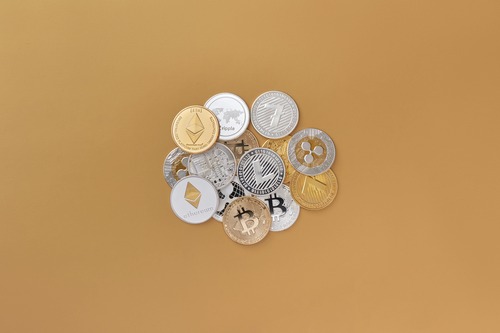
The main safety rule on this pair is simple: follow the ETH deposit instructions exactly and verify that your BTC receiving address is correct before sending anything. ETH and BTC do not use the same network or address format, so a mismatch can interrupt the exchange flow.
Before sending Ethereum, re-check the selected deposit network shown for the order and compare the copied deposit details carefully. On the receiving side, make sure the Bitcoin address belongs to a compatible wallet that can accept BTC. If you need a basic refresher, see what is a bitcoin address.
A wrong BTC address can prevent successful receipt, and a network or address mismatch increases the risk of delay or loss. That is why the final review before payment is one of the most important steps in an ETH to BTC exchange.
Before sending ETH
Before sending ETH for conversion to BTC, verify the order amount and confirm that it meets the minimum exchange requirement. If the amount is too low, the swap may not process as expected.
Check the deposit instructions again, including the selected network and the exact address shown for the order. Confirm that your BTC payout address is complete, compatible, and pasted correctly into the form.
Review whether the quote is floating or fixed if that option is shown. Also remember that Ethereum-side transaction costs can affect the overall economics of the exchange, especially on smaller transfers.
What affects cost, minimums, and timing
The total cost of an ETH to BTC exchange is influenced by more than the pair quote alone. Ethereum network fees affect what it costs to send ETH, and the amount that actually arrives for processing can affect the final result as well.
Timing depends on blockchain confirmations, execution conditions, and Bitcoin delivery processing. When BTC receipt timing is discussed, it helps to understand how confirmations work; this is covered in bitcoin confirmation explained. Network congestion or additional operational checks can make some swaps take longer than others.
Minimum exchange amount also matters. Every pair has a lowest accepted ETH amount, so it is worth checking that threshold before payment. In some cases, additional review may apply, which can extend processing time beyond the normal confirmation stages.
Registration requirements and additional review
For standard crypto-to-crypto exchange routes, no account creation may be required to exchange ETH for BTC. That means many users can open the order and proceed without registration.
At the same time, this should not be read as a promise that no review can ever happen. Additional verification may apply in some cases, and risk checks can affect processing time for selected transactions.
This keeps the usual exchange flow more streamlined while still allowing compliance review where required.
Common use cases for an ETH to BTC swap
Users often exchange ETH for BTC when they want to move value from Ethereum into Bitcoin without going through fiat steps. This can be useful for consolidating crypto holdings, shifting part of a balance into BTC, or sending the result to a Bitcoin-compatible wallet.
Another common reason is payout preference. A user may already hold ETH but need to receive Bitcoin at a destination wallet that accepts BTC. In that case, the route lets them check the expected receive amount first and then complete the swap through a direct crypto-to-crypto process.
This is also why quote review, network checks, and wallet readiness matter on this pair. The flow is practical when the goal is clear: send ETH, get BTC, and make sure the receiving side is ready before funding the order.

Ready to exchange ETH to BTC?
If you have checked the amount, network instructions, and your BTC receiving address, you can return to the exchange form and start the order.
Start your ETH to BTC exchangeETH to BTC exchange FAQ
Can I swap ETH to BTC on this route?
Yes. This route is built for users who want to send ETH and receive BTC. You create an order, send Ethereum using the provided deposit instructions, and receive Bitcoin at the BTC address you submit.
How do I exchange ETH to BTC?
Enter your ETH amount, review the estimated BTC output, provide a Bitcoin receiving address, and send ETH according to the order details. After the deposit is confirmed and processed, BTC is sent to your destination wallet.
How long does an ETH to BTC swap usually take?
Timing depends on Ethereum network conditions, required confirmations, route processing, and Bitcoin payout execution. Some transactions complete sooner than others, and delays can happen when networks are busy or extra checks are needed.
Is the BTC amount fixed or estimated?
The displayed BTC amount may be estimated unless the order uses a locked fixed-rate option. If the quote type is floating, the final result can change during execution.
What affects the final BTC amount I receive?
The final payout can depend on the ETH amount actually received, the selected quote type, route liquidity, and market movement during the exchange. Source-side transaction costs can also affect the practical outcome.
Do I need to register to exchange ETH for BTC?
Standard swaps can be started without account registration. However, additional verification may apply in some cases, and selected transactions can be subject to risk or compliance review.
Can I send ETH directly to a BTC wallet?
No. This is not a direct same-network transfer. You should use the exchange order flow instead of trying to send ETH as if it were a Bitcoin transaction.
What happens if I enter the wrong BTC address?
BTC delivery requires a valid Bitcoin receiving address. If the address is incorrect or incompatible, successful receipt may fail, so the destination should be checked carefully before you fund the order.
Why can an ETH to BTC swap cost more than expected?
The effective cost can be higher because of Ethereum network fees, rate movement on floating quotes, or differences between the preview estimate and the execution conditions. Smaller transfers can be affected more noticeably by source-side costs.
What should I do if my transaction is delayed?
First, review the order status and confirm that the ETH deposit was sent to the correct address on the correct network. Then allow time for confirmations and BTC processing. If the transaction remains pending longer than expected, the delay may be related to network conditions or additional review.